
Prime Highlights :
- The frigate purchase is Sweden’s largest military investment since the 1980s, with the deal valued at approximately 4.25 billion dollars.
- Adding the four frigates to Sweden’s naval fleet will alone triple the country’s air defence capabilities.
Key Facts :
- Naval Group is a French state-controlled defence company specialising in the design and construction of naval vessels, including submarines and surface warships.
- Sweden joined NATO following Russia’s invasion of Ukraine and now aims to reach the alliance’s military spending target of 3.5 per cent of GDP by 2030.
Background :
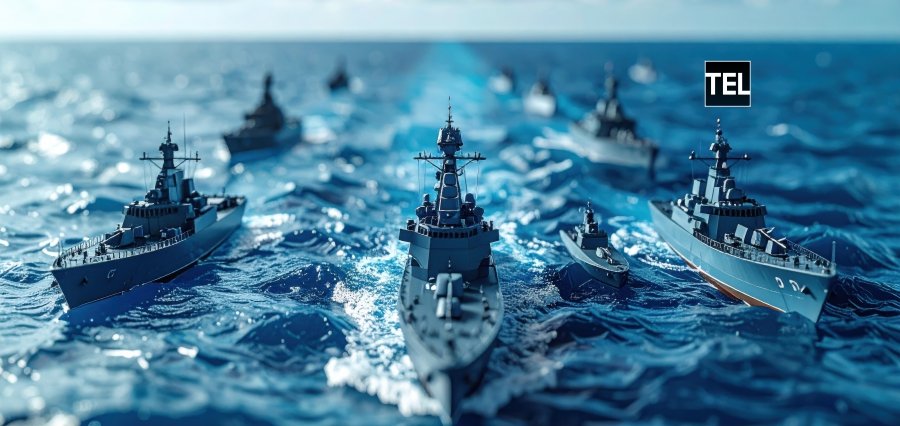
Sweden will buy four naval frigates from France’s Naval Group at an estimated cost of 4.25 billion dollars, which is Sweden’s largest military purchase since the 1980s, according to Prime Minister Ulf Kristersson, who made this announcement during the third week of May.
The frigates, based on France’s Defence and Intervention model, will triple Sweden’s air defence capabilities and represent a major expansion of its maritime strength as the country works to counter growing security threats in the Baltic Sea following Russia’s invasion of Ukraine.
Kristersson stated that the Baltic Sea has never been as exposed or contested in the modern era and expressed confidence that the decision would make the region considerably safer. The first frigate is expected to be delivered in 2030, with the vessels set to become the largest ships in the Swedish Navy.
Johan Norlen, Chief of the Swedish Navy, said the frigates would help maintain open access across the Baltic Sea for civilian and military transport to Finland and the Baltic States in the event of an escalated conflict. He added that Sweden and its NATO allies are working together to build naval operational control in the region.
The Swedish government has also requested that several domestically developed weapons systems, including those by Saab, be integrated into the vessels. Naval Group secured the contract over competing bids from Britain’s Babcock and Saab, and Spain’s Navantia.
Sweden is also developing a new class of submarines, which Poland is in the process of acquiring. The country expects to reach NATO’s military spending target of 3.5 per cent of GDP by 2030.