
Prime Highlights:
- Greece is transforming Alexandroupolis into a major LNG hub to strengthen Europe’s energy security after reducing reliance on Russian gas.
- The planned Vertical Corridor will connect multiple European countries, boosting supply routes and increasing Greece’s geopolitical importance.
Key Facts:
- Europe may need an extra 35 billion cubic metres of gas annually by 2030 to meet demand and replace Russian supplies.
- A second LNG terminal project in Alexandroupolis is estimated to cost nearly €600 million and requires financial support for completion.
Background:
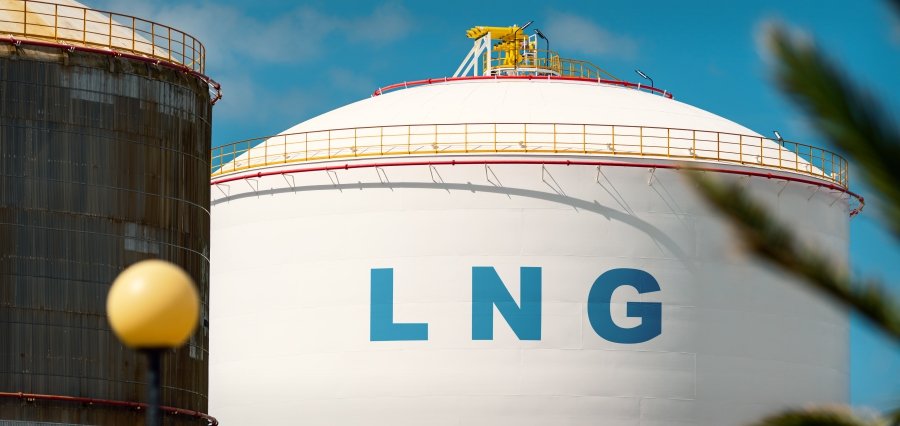
Greece is moving to the centre of Europe’s new energy map as the European Union prepares to end Russian oil and gas imports by 2028. The northeastern city of Alexandroupolis is emerging as a strategic gateway for liquefied natural gas (LNG), with Athens aiming to turn the region of Thrace into a major supply hub for central and eastern Europe.
European officials estimate that the region will need an additional 35 billion cubic metres of gas annually by 2030 to replace Russian flows and meet recovering demand. Despite rapid growth in renewables, natural gas remains essential for balancing power grids and supporting industry. As a result, EU countries are racing to secure stable and diversified supply routes.
Greece is advancing its plan through the “Vertical Corridor,” a pipeline system linking the Alexandroupolis floating storage and regasification unit (FSRU) with the LNG terminal at Revithoussa. The network connects to gas systems in Bulgaria and Romania and can extend supplies toward Ukraine, Hungary, Slovakia and beyond. Athens also wants to channel LNG toward Italy and Austria, strengthening its role as an energy transit country.
To expand capacity, Gastrade, the operator of the Alexandroupolis FSRU, has secured environmental approval for a second floating unit, to be named FSRU Thrace. The project carries an estimated cost of nearly €600 million, and the company says it will require European or state-backed financing.
Debate continues in Brussels over whether the EU should fund new gas infrastructure, given climate goals. However, industry leaders argue that gas will remain part of Europe’s energy mix for years. Meanwhile, US financial institutions have shown interest in supporting the project, seeing it as a route for American LNG exports into Europe.