
Future Architects
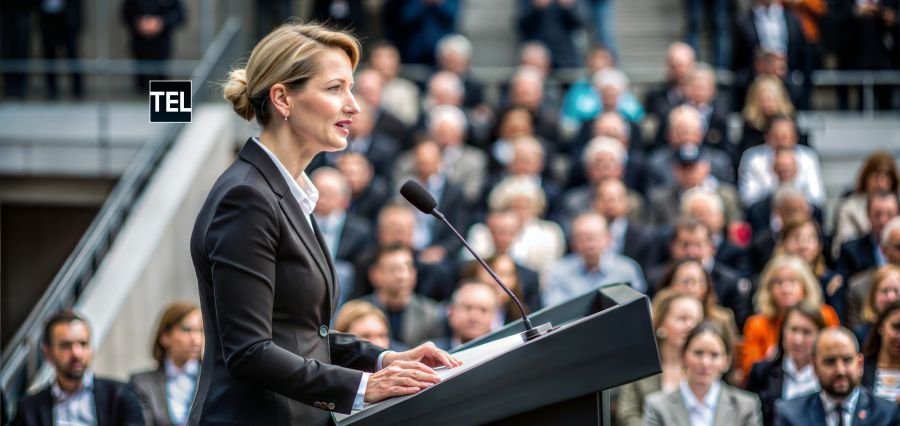
Today, leadership is very different from what it was a decade ago. Authority alone no longer inspires loyalty or performance. Instead, leaders are being judged on how well they understand people, respond to change, and create environments where talent can grow. The core of this transformation is influential women professionals, whose approach blends strategy with humanity and long-term thinking with everyday care.
Redefining Leadership with Empathy
For years, leadership was defined by control and distance. Now, listening has become just as important as directing. Women in senior roles are changing this mindset by staying close to their teams and understanding how their people feel at work. They take time to talk with their teams, not just give orders. Employees feel more comfortable sharing ideas and raising concerns at an earlier stage when they feel perceived.
This emotional awareness helps leaders handle conflict calmly and fairly. Instead of suppressing tension, they address it with clarity and compassion. This human touch is the reason why the influential women professionals can develop trust that extends beyond quarterly targets.
Driving Inclusive Decision-Making
Complex problems need more than one viewpoint. Forward-thinking leaders now insist on varied voices in the room, from new hires to seasoned executives. By welcoming debate and inviting questions, they prevent blind spots that often arise in closed circles.
These practices also change how teams see their own value. When people know their opinions matter, they take greater ownership of outcomes. Over time, this open culture lifts team spirit and performance by demonstrating how effective women professionals can make inclusion a working benefit instead of a token gesture.
Pioneering Flexible Work Cultures
The modern workplace has been transformed by changing lifestyles and expectations. Many women leaders were early advocates of flexibility, having experienced firsthand the strain of rigid systems. Today, they design policies that support remote work, adjustable schedules, and realistic boundaries.
Such changes do more than make life easier. They minimize work burnout, expand talent pools and keep experienced employees from walking away. Organisations that adopt these practices often find that productivity rises when people are trusted to manage their time well.
Fostering Innovation Through Collaboration
Innovation rarely arrives fully formed. It grows through shared effort, open feedback, and the freedom to experiment. Leaders who prioritise collaboration create platforms for teams to test ideas without fear of failure. They bring departments together that once worked in isolation, allowing insight to travel quickly.
This approach turns everyday challenges into learning moments. When success is shared and setbacks are discussed honestly, teams move faster and smarter. It is one of the quieter ways influential women professionals keep organisations future-ready.
Championing Ethical and Purpose-Driven Growth
In a world where reputation travels at the speed of a post, ethics has become a leadership cornerstone. Many women leaders place values at the heart of their strategy, ensuring decisions reflect fairness, transparency, and responsibility.
They are often the ones pushing sustainability measures, community partnerships, and clearer governance. By balancing profit with purpose, they build organisations that people want to work for and trust.
Mentoring the Next Generation
Leadership is a legacy, not a title. A defining trait of influential women professionals is their commitment to guiding others. They mentor, sponsor, and offer honest advice; they help younger colleagues on how to overcome setbacks and capitalize on opportunities.
This investment creates a ripple effect. Every supported individual feels more confident, more empowered, and more likely to support others in turn. Over time, this approach develops a strong group of leaders who are ready for their roles, not just moved up the ladder.
Navigating Crisis with Resilience
When disruption hits, steady hands matter. Women leaders are often praised for their calm, people-first response to crisis. They communicate clearly, check on well-being, and guide everyone toward achievable goals.
After the storm passes, they review what worked and what failed, turning experience into preparation. Such resilience makes organisations not merely survive the challenges but rather learning out of it.
Building Global Mindsets
As businesses expand across borders, cultural awareness becomes essential. Leaders now encourage global exposure, language learning, and cross-market projects. These efforts ensure teams can collaborate smoothly across time zones and traditions.
By promoting openness to different perspectives, influential women professionals help organisations compete on a truly international stage.
Measuring Success Holistically
The definition of success is widening. Revenue still matters, but it no longer shows the full picture. Engagement, innovation and social impact have become the activities that are tracked by leaders along with profits. The wider perspective makes growth balanced and sustainable.
To Sum Up
Influential women professionals are crafting a leadership model that is inclusive, innovative, and inspiring. Through empathy, collaboration, and ethical focus, they prove that strong leadership grows from teamwork. Their vision builds organizations and worlds where everyone can rise. As they continue leading, the future of leadership grows brighter, more equitable, and full of possibility.