
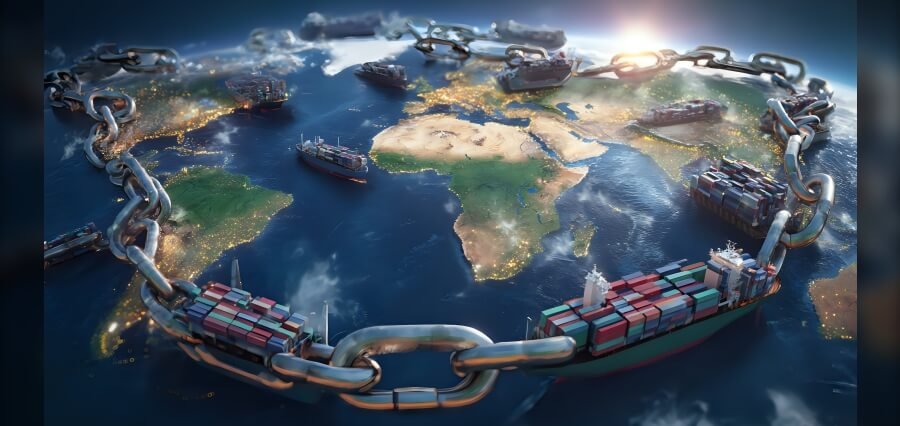
Long gone are the days when supply lines focused only on moving goods fast and cheap. Year after year, companies counted on steady shipping paths, trusted partners abroad, and keeping stock levels low. Yet lately, cracks have begun showing in that setup. Shocks like disease outbreaks, political strain, extreme weather, or system crashes now hit harder and happen more often. Because of this shift, firms everywhere are taking another look at how they connect suppliers, factories, and delivery networks – searching for sturdier designs that hold up when surprises strike.
New Reality of Supply Chain Disruptions
These days, problems in how goods move around aren’t unusual surprises anymore. One hiccup – like a closed plant or backed-up shipping lanes – spreads fast through the whole system, slowing output, raising expenses, cutting into confidence. Nowadays, what hits hardest is just how tightly linked everything has grown worldwide. Manufacturers, shops, hospitals, tech firms, basic utilities – all feel the strain. Delays pile up because so many companies depend on only a few sources tucked into particular areas, leaving them open when trouble strikes nearby.
Now customers want more than before. Faster shipping matters, along with items always being in stock, while clear information builds trust. If something goes wrong, people spot it fast – social media spreads the word just as quick. That speed means companies must act without delay, their moves watched closely. Seeing things clearly, how demands shifted, opens a path to systems built tough, flexible when tested.
Traditional Supply Chains Struggle to Keep Up
Old ways of managing supply chains trusted that things would stay steady. Instead of staying adaptable, cutting costs usually came first, resulting in minimal stock, reliance on one supplier, while shipping paths grew longer and tangled. These methods held up fine when nothing changed, yet left almost no space to react once surprises hit. When problems do appear, limited insight into operations makes it worse – firms might only notice trouble after it spreads too far to ignore.
Sluggish choices creep in when old habits stick around. Relying on past numbers plus hand-driven forecasts leaves companies flat-footed during sudden shifts. When surprises hit, fixes come late – like last-minute suppliers or pricier freight – all tacked onto expenses. Moving forward means ditching rigid blueprints for flexible playbooks where speed meets smart trade-offs.
Increase Supply Chain Resilience With Strategic Planning
Start thinking differently about supply chains. Instead of pushing for lower costs or speed, aim for durability and quick adaptation. Strength comes from spreading sources around. Get supplies from various places so one failure does not stop everything. Relying on many regions lessens exposure to local problems. True adaptability shows when trouble hits – that is where backup options matter. Complexity rises, yes, yet having choices pays off when systems shake.
Seeing everything clearly matters just as much. Tools like live tracking, number crunching, one step ahead predictions powered by smart machines help companies follow each move across their entire delivery network. When you see more, hiccups show up sooner, so adjustments happen before problems grow. Clear sight pushes teamwork with makers and movers, building links that breathe openness and stay linked. What forms is a web where information flows without hiding.
Stock plans matter more than some think. Though extra items sitting around mean higher costs, smart reserves of key parts help when things go wrong. Some companies mix two styles – one focused on speed, the other on backup – so they stay ready but not wasteful. Staying steady doesn’t have to drain funds if done right.
Creating a Supply Chain Ready for Tomorrow
Future readiness means building toughness right into how companies manage their supplies. Risk checks happen all the time, plans cover many what-if situations, while network trials test strength under pressure. Without leaders who stay involved, efforts can stall – tech upgrades, partner growth, and workflow changes need support early on. Spending now feels heavy, yet it shapes lasting worth instead of just draining budgets today.
Working together matters when shaping supply chains that last. Because solid ties – among suppliers, shipping firms, or sometimes rivals – open doors to pooled tools, clearer data flow, and unified moves in tough times. When trust leads the way, adapting quickly becomes possible, staying nimble feels natural, especially when things go off track.
When surprises strike, broken supply lines happen. Still, damage stays small when companies prepare ahead. Shocks hit softer where teams build flexible systems early. Trust holds steady if delays do not spiral out of control. Growth continues even under pressure in prepared networks. Seeing delivery routes as key tools changes everything. What seems like risk becomes space to try new ways. Problems open doors only alert firms walk through.