
Innovating for a Cleaner World
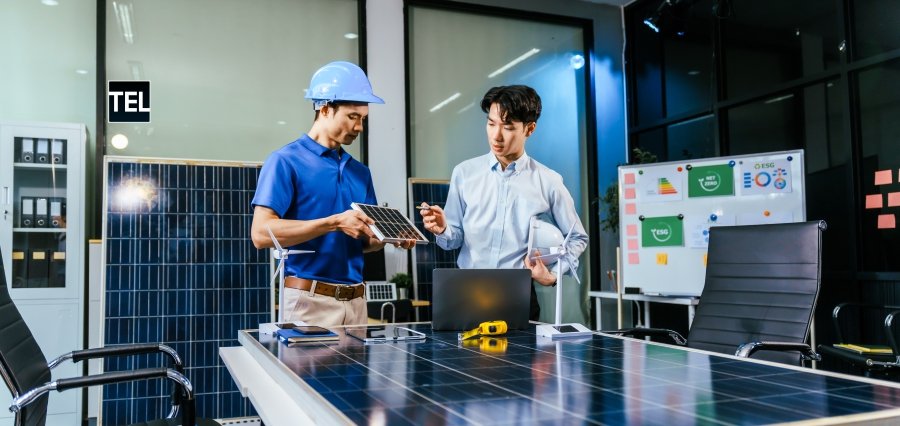
The shift of Europe towards renewable energy sources has never been only about technology. Every wind farm, solar panel farm, and smart grid requires a team of experts responsible for designing, improving, and fixing such systems every day. This ensures that any climate goals of the political class are transformed into infrastructure and put into practice. With more and more renewable energy sources, such as wind, solar, and hydrogen, developing in Europe, the role of people behind this progress becomes just as crucial as the technology itself.
Want to learn more about how specialized expertise is paving the road to renewable energy? Keep on reading.
Building Expertise from the Ground Up
Training programs, collaboration with universities, and practical apprenticeships have proliferated all over Europe since the supply of competent professionals in clean energy has failed to keep up with rising demand. The professionals need skills and knowledge that were not available even as an academic field of study a generation ago. The requirement of such professionals is not restricted to any specific region. In India too, “Renewable Energy Experts” have come into existence because of a combination of training programs run by government bodies and practical experience.
Solving Technical Bottlenecks
Among the greatest contributions of these individuals is their capacity to solve technical problems that hinder project implementation. Such issues as grid instability, lack of storage capacity, and compatibility between existing and new equipment require creative problem solving as opposed to general solutions. The specialists assess the situation on the ground, including the climatic conditions, as well as the grid setup and develop a system that works in reality and not just in theory. This way, renewable energy experts in India have faced similar challenges, adopting international practices to fit their situation.
Policy Guidance and Practical Reality
Emissions reductions and renewables targets set by the government tend to emerge from rooms of policymaking that have little to do with actual construction sites and power stations. To narrow the gap, one needs individuals who comprehend not only the legislative process but also engineering limits. Such specialists provide advice on timelines, costs, and possibility of implementing such goals, thus making them realistic and reachable. It is a practice used throughout the world. Renewable Energy Experts in India consult the government on setting up subsidies, land acquisition laws, and grid connections requirements.
Cross-Border Collaboration
There is no such thing as any single country monopolizing the subject of renewable energy. Organizations from Europe often collaborate with other organizations in the rest of the world in terms of research, case studies, and technical standards. This collaboration works both ways instead of from one part of the world to another. Renewable Energy Experts in India conduct research on decentralized solar technology and rural electrification, which has been considered by the European groups while working on their community-based renewable energy projects.
Addressing the Talent Shortage
Although there have been increased enrollments in clean energy courses, there is a lack of qualified personnel who are still considered among the main barriers in the rapid adoption of this type of technology in Europe. Projects have stalled, not for a lack of funding, but due to a lack of skilled individuals who are equipped with the technical knowledge of how to install and maintain such complicated systems. The solution to this challenge involves investing in training, mentorship, and creating jobs for young people within the sector.
Looking Toward a Collaborative Future
The journey towards a sustainable energy future is not only reliant on turbines, solar panels, and battery storage systems but is dependent on the experts who know how to integrate these components into a sustainable energy system reliably, safely, and economically. As the world continues to seek sustainable power sources, these experts will become increasingly important in shaping the future of energy. Nations that will take their efforts seriously in educating or even exchanging skills regarding these technologies will find it easier to achieve their climate targets economically. This future will depend largely on the knowledge gained today.